Kikobot Motion

Motion systems for robots and intelligent machines

Integrated actuators, drive electronics and motion interfaces developed for compact robot joints and machine mechanisms.

Kikobot KH Series integrated actuator

Compare models

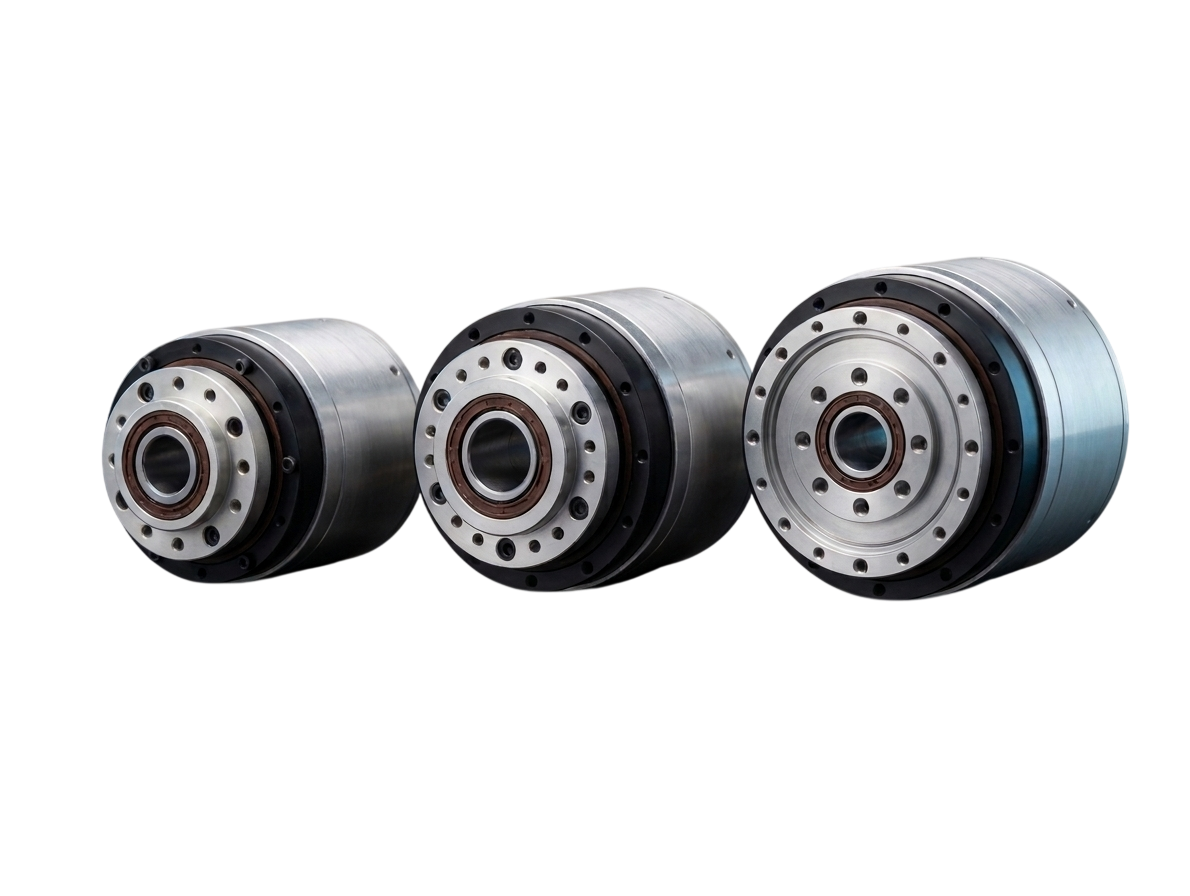
Compare KH actuator frame sizes

Each size is available in three gear ratios, with or without a brake. Compare rated torque, peak torque and weight to choose a starting point for your joint.

KH-14

For wrists, grippers and compact joints where space is tight.

Rated torque
6.8–14 Nm
Peak torque
70 Nm
Approx. weight
0.9 kg

KH-17

For mid-size arm joints on cobots and light manipulators.

Rated torque
12–51 Nm
Peak torque
143 Nm
Approx. weight
1.36 kg

KH-20

For elbow and shoulder joints carrying higher loads.

Rated torque
20–64 Nm
Peak torque
191 Nm
Approx. weight
2.03 kg

KH-25

For base joints, hips and legs carrying heavier loads.

Rated torque
38–140 Nm
Peak torque
369 Nm
Approx. weight
2.75 kg

Specifications common to every KH model

Voltage
24–48 V DC
Gear ratios
30:1 / 50:1 / 100:1
Encoder
15-bit multiturn
Communication
Controller Area Network Flexible Data Rate (CAN FD), 5 Mbps

Ratio-level selection

Compare the speed and torque trade-off

Use this table for initial selection. Rated and peak values are not interchangeable; peak torque is the published five-second momentary rating.

KH-14

30:1

Rated torque
6.8 Nm
5 s peak torque
17 Nm
Rated speed
110 RPM
Peak speed
280 RPM
Rated power
83 W

50:1

Rated torque
9 Nm
5 s peak torque
46 Nm
Rated speed
70 RPM
Peak speed
168 RPM
Rated power
66 W

100:1

Rated torque
14 Nm
5 s peak torque
70 Nm
Rated speed
35 RPM
Peak speed
84 RPM
Rated power
51 W

KH-17

30:1

Rated torque
12 Nm
5 s peak torque
30 Nm
Rated speed
110 RPM
Peak speed
231.7 RPM
Rated power
147 W

50:1

Rated torque
34 Nm
5 s peak torque
91 Nm
Rated speed
70 RPM
Peak speed
139 RPM
Rated power
249 W

100:1

Rated torque
51 Nm
5 s peak torque
143 Nm
Rated speed
35 RPM
Peak speed
69.5 RPM
Rated power
187 W

KH-20

30:1

Rated torque
20 Nm
5 s peak torque
50 Nm
Rated speed
110 RPM
Peak speed
183 RPM
Rated power
244 W

50:1

Rated torque
44 Nm
5 s peak torque
127 Nm
Rated speed
70 RPM
Peak speed
109.8 RPM
Rated power
323 W

100:1

Rated torque
64 Nm
5 s peak torque
191 Nm
Rated speed
35 RPM
Peak speed
54.9 RPM
Rated power
235 W

KH-25

30:1

Rated torque
38 Nm
5 s peak torque
95 Nm
Rated speed
110 RPM
Peak speed
183 RPM
Rated power
405 W

50:1

Rated torque
72 Nm
5 s peak torque
242 Nm
Rated speed
70 RPM
Peak speed
109.8 RPM
Rated power
405 W

100:1

Rated torque
140 Nm
5 s peak torque
369 Nm
Rated speed
35 RPM
Peak speed
54.9 RPM
Rated power
405 W

Values are typical at 25 °C ambient and are subject to change. Confirm thermal performance, external-load capacity and suitability for the complete motion profile before design-in.

Key features across every KH actuator

24–48 V DC input

Runs on the supply you already have on the machine.

Hollow shaft

Route cabling straight through the joint — no external looms.

Gear-ratio options

30:1, 50:1 or 100:1 — or a ratio specified for your load case.

Daisy-chain wiring

Link joints in series and reduce the wiring down the arm.

High-speed CAN FD

5 Mbps communication for tight, responsive motion.

How it works

How a KH actuator is built

A motor, harmonic reducer, encoder and drive electronics share one housing. Bolt the finished joint to the link, run one cable, and the control loop is already closed inside the unit.
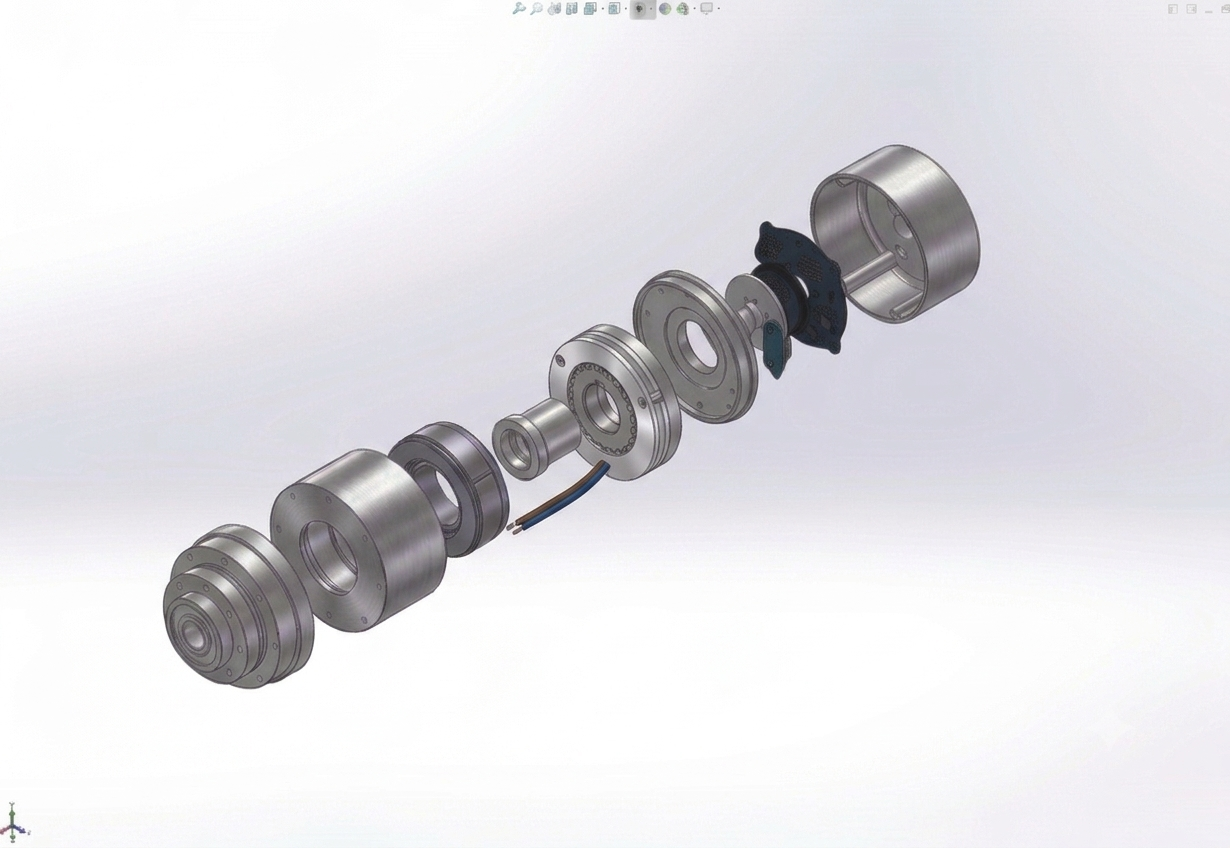
Exploded view of a Kikobot KH harmonic actuator

01

Frameless BLDC motor

High torque density in a short axial stack.

02

Harmonic reducer

30:1, 50:1 or 100:1 ratio, chosen per joint.

03

15-bit multiturn encoder

Absolute position held through a power cycle.

04

Integrated field-oriented control (FOC) driver

Current loop closed inside the joint, not in a cabinet.

05

CAN FD interface

5 Mbps daisy chain — one cable down the arm.

Applications

Applications for KH actuators

Cobots

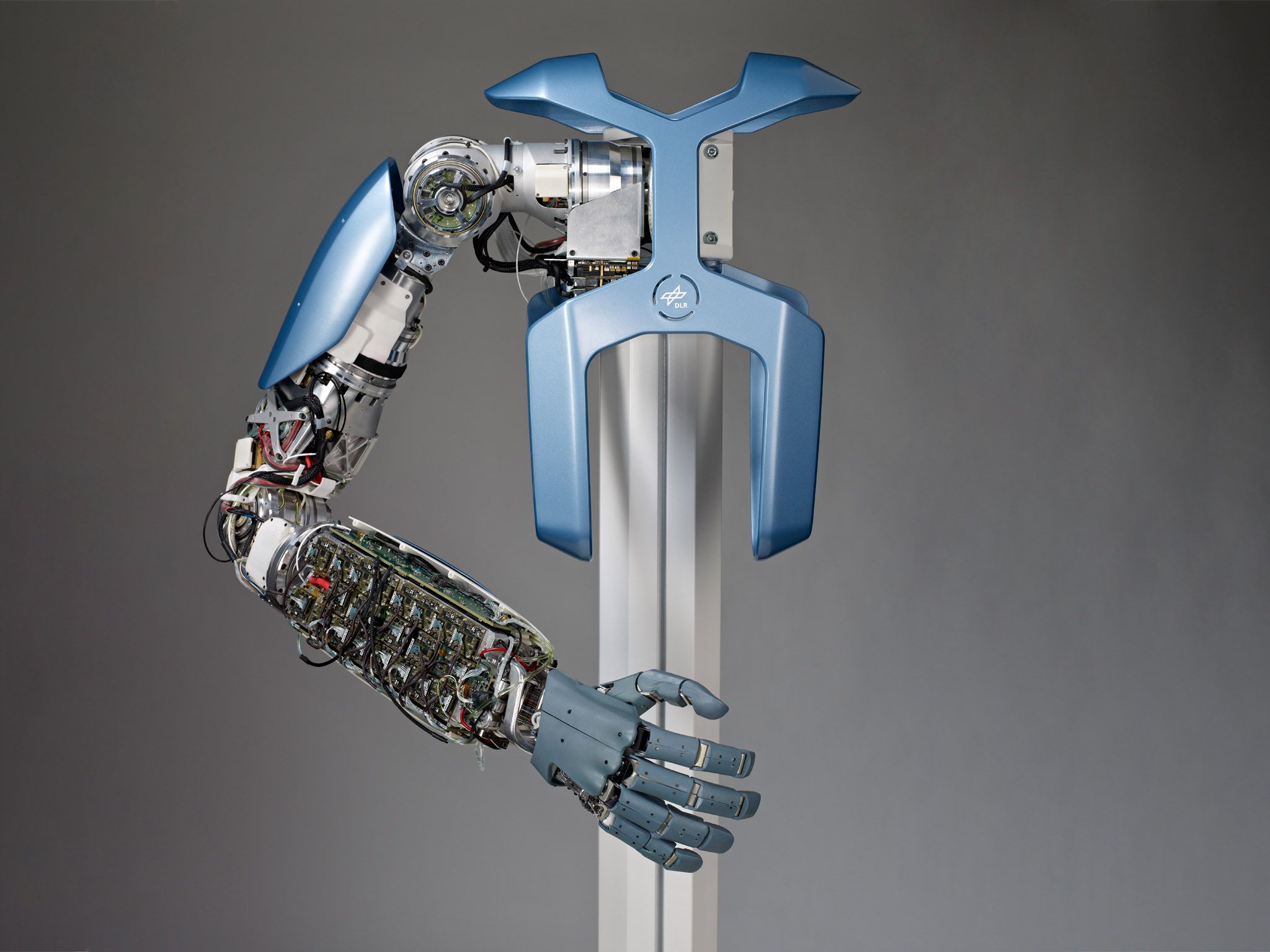
Collaborative arms that need smooth, compliant motion at every joint.

Humanoids

High torque density in a package light enough to carry itself.

Bionic limbs

Quiet, smooth actuation close to the body.

Exoskeletons

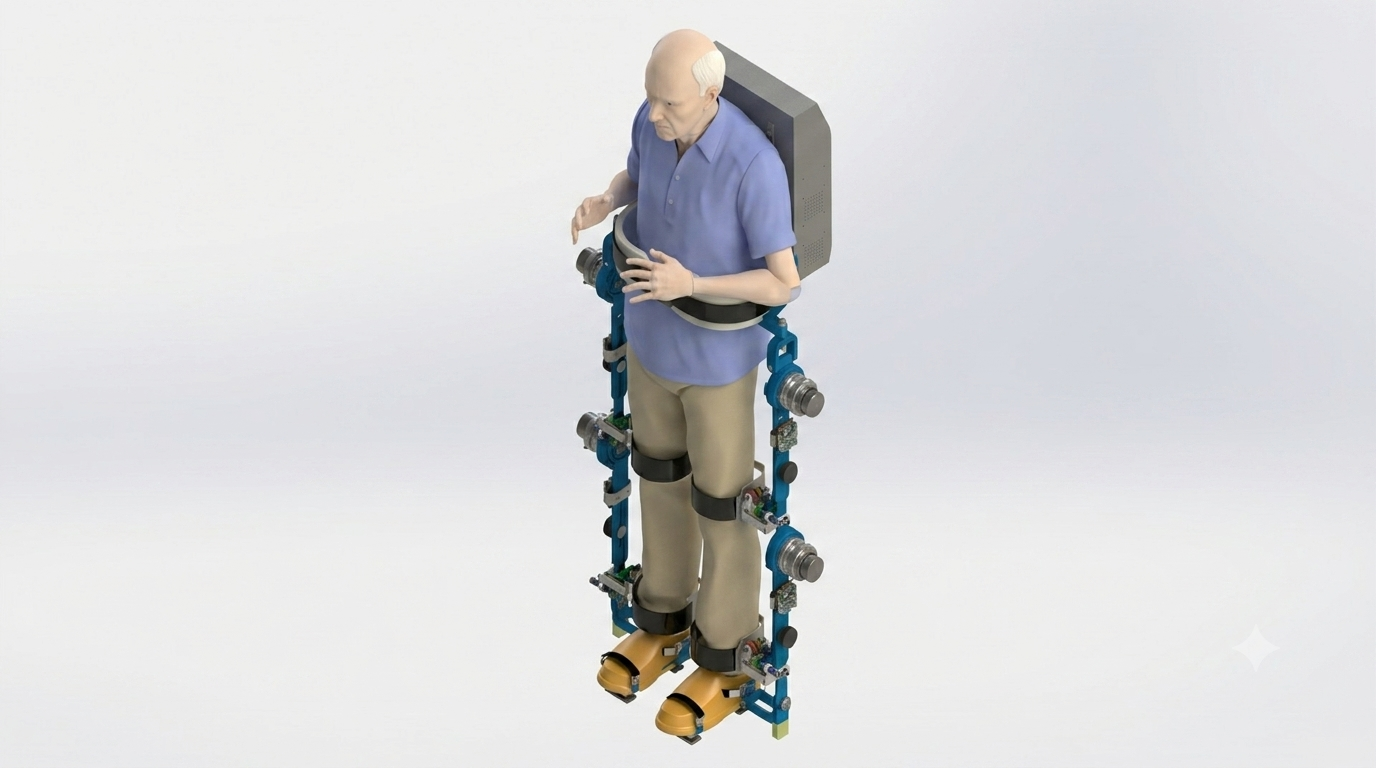
Assistive force that tracks the wearer without fighting them.

Performance evidence

Read every rating in its test context

The public datasheet supports initial comparison. The application evaluation closes the gap between a component rating and performance inside your machine.

Published rating basis

The current datasheet reports typical values at 25 °C ambient. Peak torque is identified as a five-second momentary rating.

Precision specification

The published specification lists backlash of no more than 40 arcseconds and repeat position accuracy of ±0.01 mm across the range.

Validate the real duty

Continuous torque, thermal behaviour, external loads and life depend on the joint design and duty cycle, so they are reviewed during evaluation.

Integration resources

Know what is public and what to request

We identify the available public evidence separately from design-in material whose availability and revision must be confirmed with engineering.

Download

Public now

KH Series datasheet with ratio-level speed, torque, electrical, precision and weight specifications.

Confirm availability

Request for design-in

Mechanical drawings or CAD, connector and pinout information, CAN-FD integration details and controller guidance.

Scope with engineering

Evaluation plan

Target joint load, motion profile, voltage, ratio, brake, environment, quantity and the evidence required for the decision.

The evaluation proposal confirms sample availability, current pricing, lead time, integration resources, warranty terms and the performance questions to close before design-in.

Support and delivery

For machine builders

Evaluate KH for your next joint

Share the torque, speed, voltage, ratio, brake, envelope and expected quantity. Kikobot will recommend a starting model and the relevant integration resources.